Monday, June 22, 2026

Pool Safety Tips


With summer in full swing, pools are a big selling point for many families—but they also come with important safety considerations. Here are few useful reminders to help guide your clients when evaluating properties with in-ground or above-ground pools.


1. Pool Deck & Walkway Conditions

Smooth stone, tile, or wood decks can become very slippery when wet. Encourage clients to look for non-slip surfaces, proper drainage, and secure railings near any steps. Check for uneven pavers or broken concrete that might pose trip hazards, especially for kids or older adults. Above-ground pool ladders and platforms deserve a quick glance, too. These should be sturdy, rust-free, and have anti-slip treads if possible.


2. Fencing & Gate Security

Pools deeper than 24 inches should to be enclosed by a fence at least 4 feet tall, with a self-closing and self-latching gate. Remind clients to check that any existing fences are in good condition, gates latch securely, and there are no gaps large enough for children or pets to squeeze through. A quick gate test during a showing can reveal a lot—does it swing closed and latch on its own? Is it locked or lockable?


3. Electrical Proximity

Pools and electricity are a dangerous mix when not properly separated. Look around for nearby outlets, lights, or HVAC units and confirm they are protected with ground fault circuit interrupters (GFCIs). Anything electrical should be at least five feet from the water’s edge. If the pool has lighting or pump equipment, it’s worth asking whether it was installed by a licensed professional and whether permits were pulled.


4. Above-Ground Pool Considerations

While often viewed as temporary, above-ground pools have the same risks as in-ground ones. Ensure the pool ladder is removed or secured when not in use, and that any raised deck has a gate or protective barrier. Above-ground pools should also be on stable, level ground with a perimeter clear of debris or sharp objects.


5. General Safety Features

When walking a property, look for:

  • Pool alarms or safety covers (especially helpful with small children)
  • Life-saving equipment like a ring buoy or shepherd’s hook nearby
  • Clear sightlines from common areas of the home to the pool
  • Adequate lighting around the pool deck for evening visibility


Pointing out simple safety measures can go a long way in building trust—and helping families picture themselves enjoying their new backyard with peace of mind.


If you or your clients have pool-related questions during the home buying process, we are always just a call or email away.


Monday, May 11, 2026

Grilling Season Is Here — A Friendly Reminder on BBQ Safety for Your Clients


As we enter the heart of summer, backyard barbecues are in full swing — a favorite pastime for many homeowners. At Carey Home Inspection, we believe that helping your clients enjoy their homes safely is just as important as finding the perfect property. That’s why we’re sharing a timely reminder about grill safety, covering both gas and charcoal units.

Grill Placement: Distance Matters

One of the most common — and preventable — fire hazards we see is improper grill placement. Whether it’s gas or charcoal, grills should be placed at least 10 feet away from the house, garage, deck railings, or overhanging eaves. Even a quick meal can turn dangerous if a flare-up occurs too close to siding or wooden structures. Encourage your clients to create a dedicated grilling area with a solid, non-flammable surface like concrete or pavers.

Gas Grill Tips

Gas grills are convenient, but they come with their own safety checklist:

Check for Leaks: Before the first use each season, inspect hoses and connections for cracks or leaks using a soap and water solution.

Clean Regularly: Grease buildup in the drip tray or burners can cause fires. A quick cleaning after each use goes a long way.

Turn Off Properly: Always shut off the propane tank first before turning off the grill controls to reduce pressure and avoid leaks.

Charcoal Grill Reminders

Charcoal grills bring that classic flavor, but also require careful handling:

Starter Fluid Caution: Only use charcoal starter fluid designed for grills. Never add it to an open flame.

Dispose Ashes Safely: Let ashes cool completely, then place them in a metal container with a lid. Never dump them directly into the trash or yard.

Air Flow: Proper ventilation is critical. Avoid using charcoal grills in enclosed areas like garages or screened porches.

A Positive Experience Starts with Prevention

The goal isn’t to make grilling seem dangerous — just to remind your clients to stay mindful. With just a few precautions, they can enjoy flavorful meals and safe summer evenings with friends and family.

At Carey Home Inspection, we strive to go beyond the checklist. By providing practical advice that helps buyers and homeowners avoid common hazards, we support you in creating long-term satisfaction with every property.

Please feel free to share this message with your clients or include it in your own newsletters. If you ever have a question about home safety issues, we’re just a phone call away.

Wishing you and your clients a safe and happy grilling season!

Tuesday, April 28, 2026

The Hidden Cost of Waiting for Inspection Reports


In today’s fast-moving real estate market, time is everything. Offers come fast, negotiations evolve quickly, and delays—no matter how small—can make or break a deal. Yet one of the most common sources of frustration in the home-buying process continues to be waiting several days for an inspection report to arrive.


Many inspectors take two, three, or even four days to deliver their reports. For agents and clients alike, that delay can create unnecessary stress, slow down negotiations, and sometimes even jeopardize the transaction. At Carey Home Inspection, we recognize that your time is valuable—and that your clients deserve answers now, not later. That’s why we provide same-day delivery of all inspection reports, without compromising the thoroughness or quality of our work.


The Problem with Delayed Reports

When an inspection is complete, the client is eager for clarity. Agents need the information to move forward—whether that means negotiating repairs, adjusting offers, or reassuring buyers that their new home is sound.

Waiting days for a report often creates:

  • Lost momentum: Buyers can grow anxious, and sellers can lose patience when communication stalls.

  • Compressed deadlines: When the report finally arrives late in the contingency period, there’s less time for follow-up or negotiation.

  • Added pressure on agents: You become the middleman trying to reassure both sides while waiting on paperwork that should already be in hand.


The Carey Home Inspection Difference

We understand that a home inspection is not just about identifying issues—it’s about keeping your transaction moving smoothly. That’s why we’ve invested in the technology, training, and reporting systems to ensure our clients receive their inspection report the same day the inspection is performed.


Our process includes:

  • On-site digital documentation: Photos, notes, and observations are entered in real time using professional inspection software.

  • Comprehensive review before delivery: Every report is carefully reviewed for accuracy and clarity before being sent to you and your client.

  • Clear, actionable information: Our reports are detailed yet easy to understand, allowing clients to make informed decisions immediately.


The result? No waiting, no wondering—just clear answers when you need them.


Supporting Agents, Supporting Clients

As a real estate professional, you know that communication and efficiency build trust. When your inspector delivers a high-quality report the same day, you gain:

  • Faster decision-making: You can help your clients act confidently and quickly.

  • Stronger client relationships: Prompt, professional reporting reflects positively on you as their trusted advisor.

  • Fewer surprises: Our same-day reports reduce last-minute stress and give all parties more time to plan next steps.

At Carey Home Inspection, we work with you—not just for you. We see ourselves as part of your professional team, helping to keep every transaction on schedule and every client informed.


Experience the Difference

If you’re accustomed to waiting days for reports, it’s time to raise your expectations. With Carey Home Inspection, you’ll receive the same level of care, attention to detail, and professionalism you expect—but without the delay.


Because in real estate, every day counts—and with Carey Home Inspection, you never have to wait to move forward.

Tuesday, January 6, 2026

Knob-and-Tube Wiring: What Real Estate Professionals Should Know


Older homes offer charm and character, but they can also present legacy building systems that today’s buyers need to understand. One of the most common examples is knob-and-tube wiring. While it was a standard electrical method in homes built roughly between 1880 and the 1940s, it is now considered obsolete and may raise safety, insurance, and transaction concerns.


What Is Knob-and-Tube Wiring?
Knob-and-tube wiring consists of individual hot and neutral conductors run separately through wall and ceiling cavities. Ceramic knobs were used to support wires along framing members, while ceramic tubes protected wires as they passed through wood. At the time, this system worked well for the limited electrical demands of the era.


How to Identify It
Identifying knob-and-tube wiring is not always straightforward. In some cases, it has been partially removed or concealed during renovations. Common indicators include:

  • Porcelain knobs attached to exposed framing in basements or attics

  • Ceramic tubes where wiring passes through joists or studs

  • Cloth-wrapped wiring without a modern outer jacket

  • Absence of a grounding conductor

Importantly, knob-and-tube wiring is often hidden behind finished walls or ceilings. Even when it is not visible, certain clues—such as the age of the home, outdated electrical panels, or mixed wiring types—may suggest it is present.


Where Inspectors Commonly Look
Home inspectors typically check accessible areas, including:

  • Unfinished basements and crawlspaces

  • Attics, especially near attic hatches or junction points

  • Electrical panels and visible branch circuits

  • Open wall cavities at plumbing or renovation access points

Because much of the wiring may be concealed, inspectors cannot always see the entire system. However, a qualified home inspector can identify visible components and note conditions that strongly indicate hidden knob-and-tube wiring may still exist.


Why It Matters
Knob-and-tube wiring presents several concerns:

  • It was not designed for modern electrical loads

  • Insulation can become brittle over time, increasing the risk of overheating

  • It lacks grounding, which limits protection from electrical faults

  • It may have been improperly modified over the years

In addition, many insurance companies restrict or deny coverage for homes with active knob-and-tube wiring, which can impact financing and closing timelines.


Cost to Remove or Rewire
For an average 1,500 square foot home, the cost to remove or rewire knob-and-tube wiring typically ranges from $8,000 to $15,000, though it can be higher depending on accessibility, wall finishes, and local labor rates. Homes requiring significant wall and ceiling repairs after rewiring may see additional costs. While this is a substantial investment, it often improves safety, insurability, and long-term property value.


The Inspector’s Role
Finding knob-and-tube wiring is not always easy, and it cannot always be fully confirmed without opening walls. That is where a professional home inspection adds value. A home inspector can identify visible components, recognize warning signs, and clearly communicate when knob-and-tube wiring is present or likely present—even if it cannot be fully seen.

For real estate agents and clients alike, understanding knob-and-tube wiring helps set realistic expectations and supports informed decision-making when working with older homes. 

Wednesday, December 31, 2025

Nine Tips to Get the Best WiFi Performance in Your New Home

 In today’s connected world, reliable Wi-Fi is as essential as running water and electricity. Whether your clients work from home, stream entertainment, or manage smart devices, signal quality directly affects comfort and satisfaction in their new property. While home inspectors don’t evaluate internet systems, we understand how critical connectivity is for homeowners — and a few simple choices can make all the difference.


Choosing the Right Router Location

The placement of a Wi-Fi router determines how evenly the signal reaches throughout the home. Encourage your clients to:

  • Locate the router centrally. The signal radiates outward, so positioning it near the center of the home (both horizontally and vertically) helps minimize weak spots.
  • Keep it elevated. Mounting the router on a shelf or wall, rather than placing it on the floor or behind furniture, improves line-of-sight performance.
  • Avoid corners and basements. These areas often have dense walls or concrete that absorb and weaken wireless signals.


Avoiding Common Interference Sources

Many homeowners unknowingly place routers near signal-blocking or signal-competing items. Advise them to avoid:

  • Metal objects or mirrors. These reflect and scatter signals, reducing strength.
  • Microwaves and cordless phones. Older devices operate on similar frequencies (2.4 GHz) and can cause interference.
  • Thick materials like brick, stone, or tile. Wi-Fi struggles to pass through dense construction materials; it’s best to place the router near open hallways or central rooms.


Planning for Larger Homes or Multiple Levels

For homes over 2,500 sq ft or with multiple floors, even an ideal router location may not provide full coverage. Suggest:

  • Mesh networks. These systems use multiple access points that communicate seamlessly, ensuring a uniform signal throughout the property.
  • Wi-Fi extenders. While less advanced than mesh systems, they can boost weak areas effectively if placed midway between the router and the dead zone.
  • Hard-wired connections where possible. For high-demand uses like home offices or media rooms, connecting via Ethernet provides stability that Wi-Fi can’t match.


Safety and Aesthetic Considerations

Modern routers are designed to blend with home décor, but homeowners should still ensure they remain visible and unobstructed. Stashing a router inside a cabinet, behind a television, or near water sources (like aquariums or kitchens) can reduce performance and potentially risk overheating.

Reliable connectivity is no longer a luxury — it’s a necessity. Helping your clients understand these basics not only adds value to your service but also prevents unnecessary frustration after move-in.


At Carey Home Inspection, we don’t inspect internet systems, but we recognize their importance in every modern home. By offering small, practical tips like these, you can help your clients transition smoothly and enjoy their new property from day one.

Thursday, December 11, 2025

Top 5 Causes of Dryer Fires


Dryer venting
Improper dryer vent material is one of the most common things we point out at an inspection. Vinyl or foil vent material can trap lint and is often kinked or crushed behind the dryer. 


Dryer fires are most often caused by a buildup of highly combustible lint in the dryer's vent and duct system, which can be ignited by the dryer's heating element. To prevent these fires, homeowners should regularly clean the lint filter after every load, check and clean the entire vent system (including behind the dryer and the exterior vent), and use rigid metal venting instead of plastic or foil. Warning signs of a potential fire include a burning smell, clothes taking longer to dry, or clothes feeling hotter than usual. In case of a fire, leave the door closed, turn off the dryer, and call 911 immediately. 


What Causes Dryer Fires?


Lint Buildup:

The most significant cause, where lint accumulates in the dryer's heating element, exhaust duct, and on the back of the machine, providing fuel for a fire. 


Improper Venting:
Long, twisted, or restricted vent pipes create more opportunities for lint to collect. 


Flammable Venting Materials:
Using flimsy plastic or foil-based ductwork is a hazard because it can trap lint and melt when exposed to heat. 


Overloading:
Packing the dryer with too many clothes can cause it to overheat and take longer to dry, increasing the risk of lint buildup and ignition. 


Electrical/Mechanical Issues:
Faulty wiring or damaged machine parts can also contribute to dryer fires. 

Sunday, May 4, 2025

What to look for when buying a house you will share with your pet


Friday, April 25, 2025

Oh no, the homeowner is attending the inspection

 Given that a person's home is often their greatest financial asset, it’s not uncommon that homeowners want to attend the inspection. After all, if someone is going to be poking around in all the corners and closets, running water in the bathrooms, and turning the heat on and off, most of us would want to be there too. It’s typically best for homeowners to leave supervision of their home during the inspection to the real estate agent, but some are not satisfied in doing that. So, how do you handle a homeowner at the inspection?


First, never forget it’s their home, and we, the inspector, buyer, and agents, are all guests. While we do have a job to perform, we are visitors in their home and should not forget that. Being respectful of the homeowner's requests, questions, and instructions is important. Second, never forget that the homeowner has an interest in the sale, so buyers should always feel secure in talking privately with their inspector. Just because the homeowner is at the inspection does not make them part of the inspection.


Homeowners should be informed that while the inspection is about their house, the information discovered is for the buyer, and inspectors may not share their thoughts, even if asked. Most inspectors have a set routine to ensure that they look at everything required, so homeowners should not feel a need to show them around the house unless it is an unusual home with hidden areas. Homeowners are often eager to show inspectors the upgrades or improvements they have made over the years, not understanding that the inspector is there to evaluate the house in its current condition, and these conversations can be distracting or even red flags if they were DIY projects. 


After the inspection, many inspectors review or point out some of the issues they found, but while many homeowners may want to be a part of this conversation, they should not. The potential for the owner to become defensive or attempt to explain away a defect is high, and the danger of concessions without time to reflect or investigate can also happen on both sides of the transaction. 


It’s usually best for a homeowner to not attend the inspection however, if they do, they should be present but not a participant. Having time to evaluate their potential purchase is something every buyer should have the freedom to do without distraction.

Monday, February 24, 2025

Don't Forget the Sewer Scope When Recommending Inspections for Your Buyer

As a real estate professional, you work hard to ensure your clients make informed decisions when buying or selling a home. One of the most overlooked yet crucial aspects of a home inspection is the sewer system. A sewer scope inspection can save your clients thousands of dollars and prevent future headaches, making it an essential service to consider during the home-buying process.


Why Sewer Scope Inspections Matter

Most standard home inspections do not include a detailed review of the sewer line, yet it’s one of the most expensive components of a home to repair. Over time, sewer lines can become damaged due to root intrusion, shifting soil, aging pipes, and blockages. Without a proper inspection, these issues may go unnoticed until they cause significant damage, leading to costly repairs.


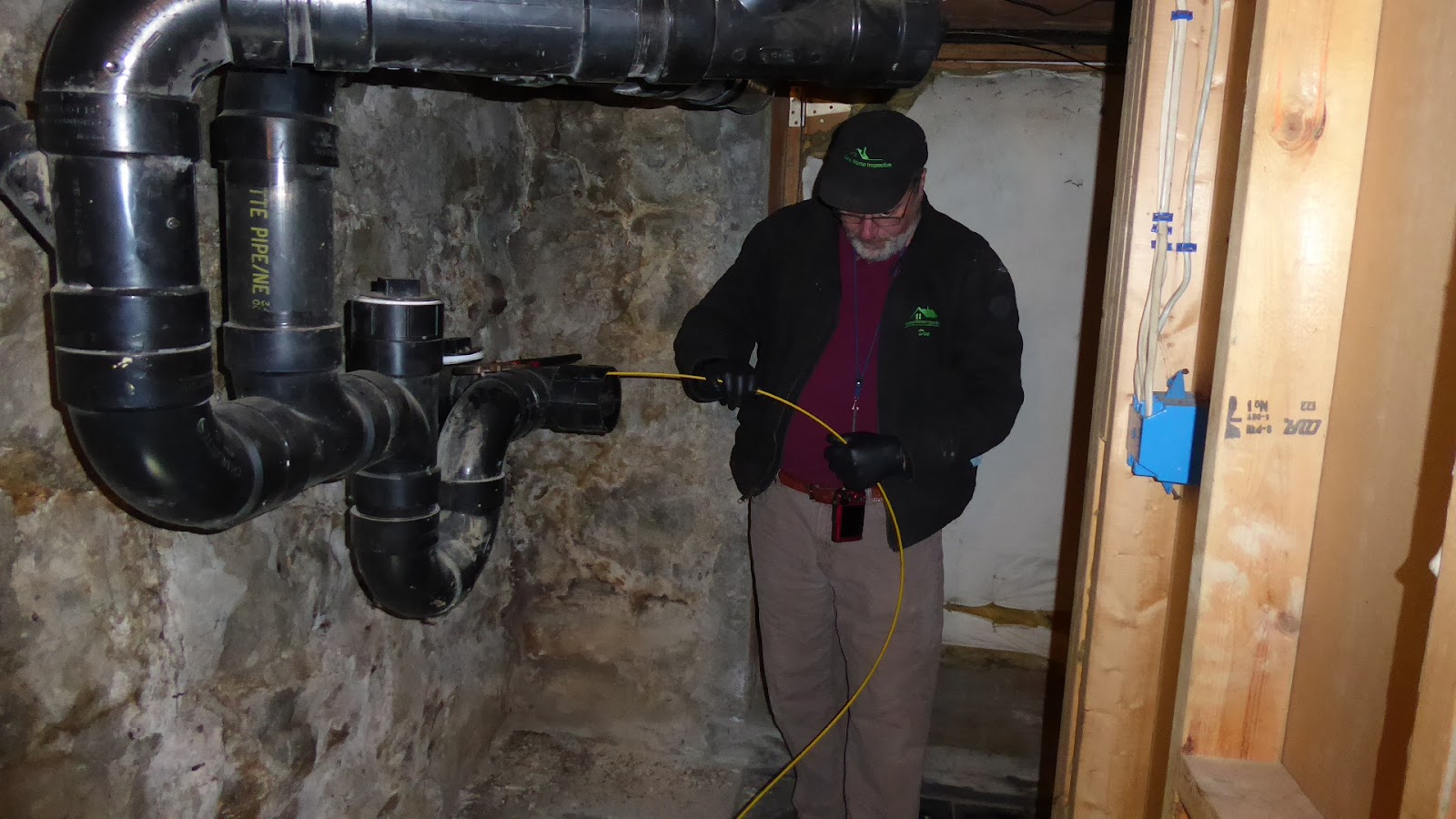
A sewer scope inspection involves inserting a specialized camera into the sewer line to assess its condition. This allows homebuyers to see firsthand whether the line is in good shape or if there are hidden problems that need to be addressed before closing.


The Hidden Risks of Ignoring Sewer Lines

When a buyer moves into a home without knowing the condition of the sewer system, they may be in for an unpleasant surprise. Common issues found in sewer lines include:

  • Tree Root Intrusion: Roots naturally seek water sources and can infiltrate sewer pipes, leading to severe blockages or even pipe collapse.
  • Bellied or Sagging Pipes: A sag in the sewer line can collect debris and lead to backups.
  • Old or Deteriorating Pipes: Many homes, especially those built before the 1980s, have clay or cast-iron pipes that degrade over time, leading to leaks and structural failures.
  • Blockages and Buildup: Grease, debris, or foreign objects can create obstructions that affect drainage and increase the likelihood of backups.


Protecting Your Clients’ Investment

A sewer scope inspection provides buyers with peace of mind and negotiating power. If issues are discovered, buyers can request repairs or replacements as part of their negotiation, potentially saving them thousands of dollars. Alternatively, if the inspection confirms the sewer line is in good condition, it reassures buyers that they are making a sound investment.


Partner with a Trusted Home Inspector

By recommending sewer scope inspections to your clients, you are positioning yourself as a knowledgeable and proactive real estate professional. At Carey Home Inspection, we provide thorough sewer scope inspections with clear, detailed reports to help your clients make informed decisions.


Let’s work together to protect your clients from unexpected repair costs and ensure they move into their new homes with confidence. If you’d like to learn more about our sewer scope inspection services or schedule an inspection for your next listing, feel free to reach out.

Looking forward to partnering with you!


Videos

Check out a sewer inspection in action


Orangeburg Pipe inspection


Grease in a sewer line

Thursday, February 6, 2025

Cut the Stress out of the Home Inspection


The home inspector and the buyer arrived at your listing ten minutes ago. Your seller is on pins and needles already knowing that their house is nice, but not perfect. You’ve let them know you will call as soon as you hear back from the buyer's agent, and the phone just rang. It’s the buyer's agent. No one needs the stress. There is a way to eliminate, or significantly reduce those calls. As a home inspector we have run into various situations where we needed to call the agent or seller, and have several suggestions on how to avoid it.


Make sure your seller turns everything on.
It’s not uncommon for sellers to disconnect or turn off services in a vacant house. I don’t blame them, it’s a safe thing to do to turn off the water or other appliances. In New York home inspectors are not required to turn on systems that are shut down, in some states like Massachusetts it’s actually against the law for a home inspector to do so. Without knowing why a system is turned off no one should turn it back on. It may be under repair or turned off for safety reasons. Confirming with the seller that the electric, water, heat and other systems are on can save a return trip or a call for someone to come out to the house during the inspection. Not only should main shut offs be on, individual systems should also be on. Water heaters and dishwashers are what we find most often shut down.


Make sure access to everything is available.
This includes all rooms, the garage, the basement, and the attic. If it’s just a few boxes or some clothing blocking the attic opening most inspectors will take the time to move them. Moving an entire UHaul truck of boxes in the garage to get to the electric panel may be a different story. Not having access means the buyer may want the inspector to return which can just delay the process. Sometimes we encounter locked rooms which always raises red flags, but often these rooms contain access to other systems such as the attic or garage. Making sure all doors are unlocked, the garage is accessible and there is a clear path to the electric panel, water services, heat, and sewer access is important. Another thing we’ve run into more than once is the lock box on the front door, but the storm door locked. This results in everyone standing outside waiting for the seller to return with a key.


Leave instructions for things only the seller knows.
A lot happens during an inspection, there isn’t always time to learn all the quirky things about a house. If there is a sub-panel for the addition behind the portrait of grandma in the second floor hallway, the inspector may never find it. Too often inspectors have to call sellers to find out the GFCI reset for the garage is behind the refrigerator in the kitchen or some other hidden spot. Another thing to remember is home inspectors are not always privileged to the conversations the buyers and sellers have had. If everyone knows the second floor tub leaks, let the inspector know before they have to call the agent about water dripping from the first floor ceiling.


With just a few things, sellers can eliminate many of the calls that are made to listing agents at inspection and provide for a smooth inspection. 


For more tips on what to do before an inspection, attend our upcoming CE class at the GCAR on 10 Things to do Before Your Home Inspection, or ask your broker to have us present it at your office. 

Sunday, January 26, 2025

The "Shelf Life" of Homes: A Friendly Reminder from Your Home Inspector

 You’ve probably heard the saying, “Nothing lasts forever.” It’s true for sunny days, leftover pizza, and, unfortunately, houses. Well, not the house itself (unless we’re talking about termites, but that’s a topic for another day). I’m talking about the systems and components that keep a home humming along smoothly. As agents, you already know this, but a little reminder never hurts — especially when your clients are dreaming of a forever home with a forever roof. Spoiler alert: there’s no such thing.

Let’s dive into the lifespan of some household staples. Feel free to keep this handy for the next time a buyer gasps at the idea of replacing a water heater.


Appliances: Reliable, But Not Eternal
The washing machine may have survived countless loads of soccer uniforms, but its lifespan is usually around 10-12 years. Refrigerators can go a bit longer at 12-15 years, but eventually, even they get tired of keeping leftovers cool. Dishwashers tend to quit after 10 years, often at the most inconvenient time (like the night after Thanksgiving). Pro tip: Remind your buyers that appliances aren’t built to last like Grandma’s old oven that doubled as a space heater for the entire kitchen.


HVAC Systems: Keeping Cool and Cozy… for a While
Heating systems, like furnaces, typically last 15-20 years, while air conditioners tap out at 10-15 years. Regular maintenance can stretch their lifespans, but eventually, they’ll be ready for retirement — just like all of us. Suggest to your clients that setting aside a “HVAC rainy day fund” is always a smart idea.


Water Heaters: Hot Water, Cold Truth
Traditional tank water heaters generally last about 8-12 years. Tankless ones can stick around longer, closer to 20 years. Still, they’re not forever companions. If a buyer’s dreaming of 30 years of endless hot showers, it’s time to gently lower expectations.


The “Invisible” Stuff: Insulation, Windows, and Roofs
Attic insulation may not come with an expiration date stamped on it, but it can degrade, settle, or become less effective after 15-20 years. Windows, while better at aging gracefully, may need attention after 20-30 years. And roofs? It depends on the material, but asphalt shingles typically wave the white flag after 20-25 years. If your buyers are staring at a roof with a heavy sigh, remind them: “It’s a roof, not a miracle worker.”


Floors: They Take a Beating

Flooring is another often-overlooked feature that has a limited lifespan. Hardwood can last a lifetime if cared for, but carpet usually needs replacing every 8-10 years. Laminate and vinyl may push to 15, but they’ll eventually show their age (kind of like us after a decade or two of home inspections!).

So, when your clients are fantasizing about a maintenance-free home, remember to bring them back to reality. “Forever home” might be a misnomer, but with regular upkeep and a little TLC, homes can still bring years of joy — and just a few replacement projects.


For a full list of how long things can be expected to last in a home, click here.

Wednesday, January 8, 2025

5 Essential Tips for a Successful Winter Home Inspection

 Winter in the northeast brings its unique set of challenges for the real estate market. As a trusted home inspector, I understand how the colder months can add complexity to the buying and selling process. That’s why I’ve put together five essential tips to help you and your clients ensure a smoother and more effective winter home inspection. These actionable insights can make a significant difference during the home inspection.


1. Keep Driveways and Walkways Clear

Snow and ice can create significant obstacles for inspectors, buyers, and agents. Before the inspection, ensure all driveways, walkways, and access points to the home are thoroughly cleared of snow and ice. Not only does this provide safe access, but it also allows the inspector to fully assess these exterior elements, such as concrete or asphalt conditions, drainage issues, and potential trip hazards. Encourage your clients to salt or sand icy areas to reduce risks.


2. Ensure Accessibility to Key Systems

In the colder months, certain areas of the home—like the attic, crawl spaces, or mechanical rooms—might be harder to access due to stored items, snow drifts, or ice buildup. Encourage homeowners to clear these areas in advance. For example, attic hatches should be free of obstructions, and basement utility rooms should allow enough space for a thorough inspection of heating systems, water heaters, and sump pumps. Easy accessibility ensures no aspect of the home is overlooked.


3. Maintain Comfortable Indoor Temperatures

During a winter inspection, indoor temperature is key. Homes should be heated to a comfortable level so inspectors can accurately evaluate heating systems, insulation, and draft issues. A cold interior might raise red flags about heating performance or energy efficiency, even if the system is functioning correctly. Additionally, if the home is vacant, ensuring the heat is on helps prevent frozen pipes, which can lead to costly damage.


4. Address Snow-Covered Features

Snow can obscure critical exterior features like roofs, gutters, decks, and patios. While inspectors will do their best to evaluate these areas, heavy snow may limit visibility. If possible, homeowners should clear snow from these areas before the inspection. If that’s not feasible, providing recent photos or documentation of the roof, gutters, and other covered features can help fill in the gaps. This proactive approach ensures buyers have a complete understanding of the property’s condition.


5. Prepare Interior Entryways for Snow

Winter weather often means snow and slush tracked indoors on shoes and boots. Before the inspection, homeowners should prepare interior entryways by placing durable mats, boot trays, or towels near entrances. This helps protect flooring and provides a clean, safe area for inspectors and buyers to remove footwear. A well-prepared entryway not only maintains the home’s cleanliness but also creates a positive first impression.


Bonus Tip: Communicate Expectations

Clear communication between agents, buyers, sellers, and inspectors is vital for a successful winter home inspection. Discuss the unique challenges of winter inspections with your clients and set realistic expectations. Understanding that certain limitations—like snow-covered roofs—are unavoidable helps manage concerns and keeps the process on track.
 

By taking these steps, you can help facilitate a thorough, efficient inspection process that puts buyers and sellers at ease, even in the heart of winter. If you have any questions or need assistance preparing a property for inspection, feel free to reach out. I’m always here to help ensure your transactions move forward seamlessly.


https://www.careyhomeinspection.com/home.html

Monday, December 9, 2024

In a time of low inventory some need to find the diamond in the rough


When housing inventory is low, many may find it difficult to find their dream home. For some buyers, a house which needs a bit of work may be a better option. Rehabilitation loans, like the FHA 203K loan, allow home buyers to purchase a home and borrow funds to make needed repairs. There are requirements involved, and the home must appraise, after repairs, sufficient for the total borrowed. However, repairs can be more than just what’s required to fix issues, they can also include upgrades and improvements. This can be a cost effective solution for those who want to build that dream home but can’t wait for or afford new construction. FHA 203K loans often have lower payment requirements and require lower down payments than conventional loans making them more affordable. One of the early steps in using a FHA 203k loan is to set an appointment with a HUB approved 203K Consultant to review the home, the budget, and the needed repairs to insure the project is feasible. Your consultant will also prepare the paperwork for the FHA appraiser and loan officer to use in approving the loan. As repairs are being completed, your consultant will also set inspection intervals to confirm the work is completed and to approve payments to your contractor from your loan funds. Using a FHA 203k can mean some additional work and forms, but using the right consultant, loan officer, and contractor will make the process run smoothly and can help your buyer see their dream home hidden in a house others have ignored. Carey Home Inspection has completed several 203K projects across the region and are open to helping your next buyer begin the process.

Sunday, November 24, 2024

Local Home Inspector points out top fire danger in the home

 In real estate, nothing is more essential than the safety and satisfaction of your client. As agents, pride is taken in helping buyers find their dream homes, but with aesthetics, location, and features top of mind, there's one more critical aspect never to be overlooked: safety. Electrical issues are among the most hazardous areas for possible safety concerns in residential property. Ensuring a property's electrical integrity is important, as over 30,000 electrical fires occur at residences throughout the U.S. each year.


This is where a Certified Master Inspector plays an important role. General inspections will do for superficial coverage in a property, but a Certified Master Inspector goes one step ahead to comprehensively assess things that are left ignored or unobserved. Here's how the professional electrical inspection done by a Certified Master Inspector makes the difference.


Panel Inspections:

One of the most crucial electrical inspection elements is the electrical panel, commonly referred to as the breaker or fuse box. The inspector will go to the extent of removing the dead face, which is the front cover of the panel, to carefully see what is inside. Why is this important? The inside of an electrical panel may hold hidden dangers, such as loose connections, signs of overheating, double-tapped breakers, and corrosion. Any one of these alone can result in devastating outcomes if left unchecked, including electrical fires or a system failure.


Checking Outlets, Switches, and Lighting

Beyond the electrical panel, a thorough inspection would also involve the checking of outlets, switches, and lighting fixtures for operating appropriately, appropriately grounded, and free from wiring defects. For example, any burn marks on outlets and switches are indicative of overheating. GFCI outlets installed in places like kitchens and bathrooms should be tested for correct operation against electric shock.


Older homes will, of course, require even more care. Homes built several decades ago may still have very outdated types of wiring, such as knob-and-tube or aluminum wiring. While once common, such systems pose major hazards today. The expertise of a Certified Master Inspector in identifying the type of wiring, recognizing possible hazards, and suggesting remedies is invaluable.


Why Every Buyer Deserves a High-Level Inspection

Your clients entrust you as a real estate professional to guide them in one of the biggest purchases they make. Partnering with a Certified Master Inspector strengthens that trust, reinforcing your commitment to safety and well-being. An electrical fire can result in catastrophic loss of property or more.

Thursday, September 12, 2024

The Johari Window of Home Inspections

Home inspections are in many ways home awareness for buyers. A common tool used in team building, self-awareness exercises, and therapy is the Johari Window. This visual tool breaks the way in which we see ourselves and how others see us into four boxes. One box is what is seen by others and us. This is the person we are to ourselves and to other people. The next box is what others see but is hidden from us. These could be flaws or talents we are blind to, but others recognize in us. The third box is what we see in ourselves but hide from others. This is who we are in private and what we keep inside. The last box is what is unknown. Things we do not know about ourselves that are also unknown to others. People use this tool in many ways. One way is to discover more about themselves and, in effect, make the unknown box and the box only seen by others smaller. Some use this to decrease the hidden box and make a person more authentic.


A home inspection can take the same form as a Johari window. When a buyer makes an offer for a property, there are four similar boxes. There is what the buyer and seller both see, and an offer is often made in that window. There is another window that only the seller sees: those things that they have not revealed to the buyer. There is a third window that the buyer sees, but the seller is not aware of, the hidden incentives the buyer has not shared as to why they want the house. Finally, there are the things nobody knows about the house. Often, these are defects that have not been seen by the seller or buyer.

A home inspection is designed to change the size of these boxes. In a home inspection, we seek to move things from the box of unknowns to the box only seen by the buyer, helping the buyer to see things that no one knows about the house. At the same time, we work to move things from the box only known by the seller to the box of things known by the buyer and seller, making the sale price more authentic and bringing everything that was hidden to light. All the time, not moving anything from the box only as known by the buyer because home inspections are confidential.

Some people believe that after a home inspection, the buyer should know as much as the seller, but that is not correct. After the home inspection, the buyer should actually know more about the house than the seller, placing them in the strongest position and having the greatest advantage. Home inspections are designed to benefit and protect the buyer during the home buying process. Not having a qualified home inspection is agreeing to walk into the purchase at a disadvantage. Never skip the opportunity to be informed and protected. And remember the inspection is only as good as the inspector, always use a Certified Master Inspector when choosing an inspection company such as Carey Home Inspection. 


Sunday, August 11, 2024

What won't change on August 17th


Nobody really knows for sure what the fallout will be after new rules for members of the National Association of Realtors take effect on August 17. Compensation numbers will be removed from the Multiple Listing Service, and buyers' agents will need signed agreements before providing the service. For some, it will be business as usual, while others will need to adopt new practices and procedures. Horror stories about mass buyer agents disappearing have been circulated on social media, while others have expressed a more optimistic view. The truth is that we may not see the full impact of the NAR settlement for months or even years, as the market is always moving, and it will take time to interpret the changes and the role that the settlement played, if any. One thing that will not change is that people will still buy and sell houses. Along with that, home inspections will continue to be part of that process. The inspection, as a third--party evaluation, will remain protection for both the buyers and the agents. With the potential for more dual-agent transactions, having a qualified home inspection is critical to insulate the buyer's representative throughout the process. Some have speculated that more buyers will need to pay for representation, meaning some may look for ways to save money by choosing not to have an inspection; however, the increased cost may result in stepping down their expectations of the home they choose. This only increases the need for a thorough inspection. An increased closing cost may also mean less money available for unforeseen repairs that an inspection would uncover before the purchase. The need for a qualified home inspection will continue, if not increase in importance, as we move forward through the changes ahead. Providing thorough and affordable inspections with clear reports delivered on the same day is something we have done consistently and will continue through any changes that occur. We look forward to servicing your buyers, sellers, and investors with the best inspection services in the area.

Thursday, July 4, 2024

Secrets to a Cooler Home

June saw unusually high temperatures, even before summer was officially here. With July here and August just around the corner, air conditioners will be running nearly every day. Central air conditioning is a luxury for some, and others cannot live without it. Expecting to keep cool only to have your home or office never feel comfortable can be frustrating, to say the least. While professional service is sometimes needed, there are a few easy home maintenance tips that can keep your air conditioning system running longer and more efficiently.

Most air conditioning systems found in homes are gas compression split systems. This means there is an outside compressor and an inside heat exchanger inside the ductwork. Air conditioners work by compressing a coolant gas and then rapidly decompressing it. When you squeeze something, it heats up; this happens outside, which is why the air blowing off the condenser is hot. If you have ever sprayed a can of compressed air, like those cans of air to clean computer keyboards, you probably noticed the air is cold, and the can gets cold fast. This is what happens inside the part of the air conditioner in the ductwork. This is what cools the air when you run the air conditioner. 

AC Damaged Fins
If the air coming out of the ducts is cool but not as cold as it should be, or the house never seems to cool enough, there are some things you can do that may help. First, always test the air with a thermometer; don’t trust your hand. It’s often hard to distinguish between cool air and moving air that makes us feel cool; this is why fans work. 

On the outside of the home, start with the compressor. Make sure the compressor is level. Erosion can often lead to the compressor no longer being level. Also, trim back any branches or bushes that may be too close to the compressor. You should have a minimum of two feet on all sides of the compressor, and nothing above it for five feet. Check the fins on the compressor. These can become damaged from yard work, being bumped by the mower or toys, or even from animals or pets. If they need to be straightened, this can be done with a fin comb, available at most hardware stores. Finally, check the insulation on the refrigeration lines. The larger of the two should be completely insulated. If insulation is missing or damaged, replace it. The cost of the insulation is less than the cost of the energy lost.

AC refrigeration insulation
Inside the home, check the furnace filter. A clogged or dirty filter will restrict airflow and result in it taking much longer to cool the house. Check the inside refrigeration line for insulation. Finally, make sure the condensation is draining correctly into a drain or a condensation pump. Excess water can affect the life of your system. 

If your system is not cooling at all, it’s time for professional assistance. A complete lack of cooling could be an issue with the controls for the system or a lack of coolant in the lines. A cooling professional should be able to diagnose the problem and provide the best solution. 

These few maintenance tips should help your system last longer and work efficiently this summer. 

If you are looking for a home inspection please contact us

Carey Home Inspection

Thursday, June 27, 2024

Three quick things to help keep water out of almost any basement


In the northeast, many homes have basements, which can often lead to water entering the home. Discovering water on the basement floor is more than an inconvenience; it can damage stored items or essential systems like the heating system. Prolonged moisture can also cause mold in the basement or main floor. If the basement is a living area, such as in a split-level or raised ranch, water can cause costly damage and disrupt home life. Some basements are more susceptible to leaks, including those with high water tables, stone foundations, and dirt floors. Regardless of your basement type, there are simple steps to minimize water entry.


Ensure your gutters are functioning properly. Faulty gutters can be worse than no gutters at all. Gutters direct water away from the home by collecting rain water from the roof and channeling it to downspouts. Clogged or damaged gutters can overflow, dumping water near the foundation. Missing downspout extensions can also cause this issue. Directing rainwater away from the house is crucial for a dry basement.


Check the grading around your house. During rain, walk around the house and note any puddles within six feet of the foundation. Poor grading or even small holes can cause water to pool and seep into the foundation through cracks. Older homes may have water entering between the foundation wall and the footer. Fill low spots with compacted soil to redirect water away from the house. Avoid using mulch, gravel, or stone, as they allow water to seep through.


Test your sump pump. If your home has a sump pump, it indicates expected water under the house. Sump pumps collect water from the house drainage system in a sump pit. These can clog, and pumps can fail, so test them regularly, at least once a year before spring. Ensure the pump discharges water far from the house to prevent reentry into the system.


The goal is to keep water out of the basement, but if it gets in, remove it promptly. While not all basements will stay dry, these three steps can significantly reduce the risk of flooding.